<p style="text-align: left; text-indent: 2em;">The Chaozong Palace is located on the beautiful banks of the Lujiang River and was first worshipped in the 16th year of the Yongli reign of the Southern Ming Dynasty (1662), with the main deity being the "Heavenly Mother". This place was formerly known as "Yushapo". During the hundred years of the Kangxi and Qianlong periods of the Qing Dynasty, the court designated the only ferry crossing to Taiwan, which was set up in front of the Chaozong Palace. Therefore, the "Mazu" of the Chaozong Palace became a spiritual comfort for officials, merchants, and the public who went to Taiwan.</p>
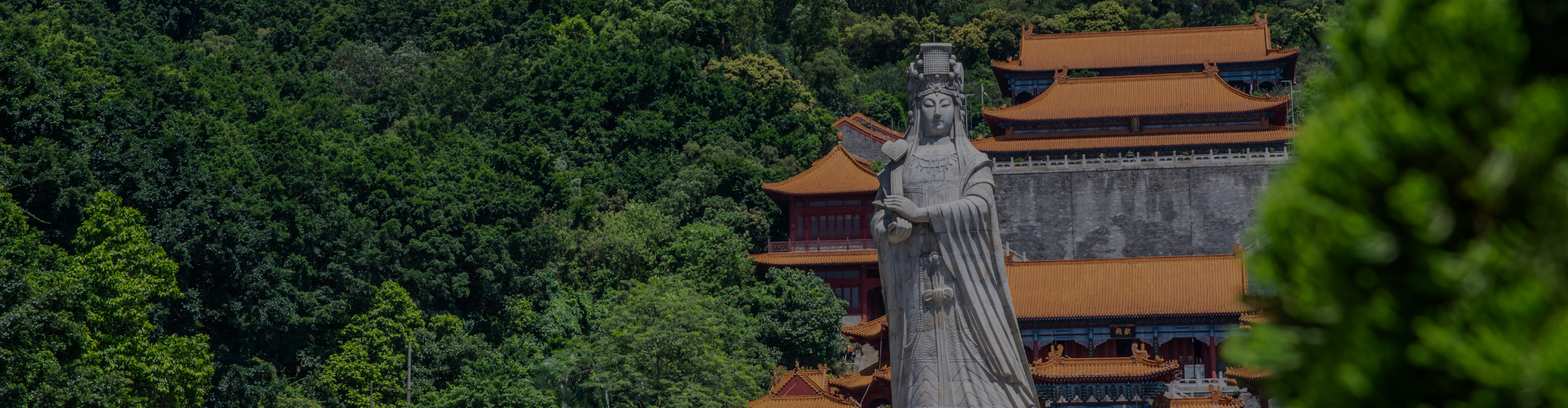
<p style="text-indent: 2em; text-align: left;">The Meizhou Mazu Ancestral Temple, located on Meizhou Island in Putian City, Fujian Province, was first built in the fourth year of the Yongxi reign of the Northern Song Dynasty (987 AD) and is the birthplace of Mazu culture.</p><p><br style="text-indent: 2em; text-align: left;"/></p><p style="text-indent: 2em; text-align: left;">The Meizhou Mazu Temple is the world's first Mazu temple, and most of the existing buildings are Qing Dynasty structures. The Mazu Temple complex has a central axis layout in the front hall, built according to the mountain terrain, forming a main temple road with a depth of 300 meters and a height difference of more than 40 meters. From the mountain gate and ceremonial gate to the main hall, there are 323 steps connecting the various buildings on both sides. At the top of the ancestral temple, there is also a 14 meter tall giant Mazu stone statue. The Meizhou Mazu Ancestral Temple complex is mainly composed of a main hall, a sleeping hall, and a shrine for the Holy Parents. It has undergone several renovations and expansions to achieve its current layout. On May 25, 2006, Mazu Temple was announced by the State Council of the People's Republic of China as the sixth batch of national key cultural relics protection units. In 2018, Mazu Temple was selected as a reserve heritage site for the "Maritime Silk Road · Chinese Historical Sites".</p><p><br style="text-indent: 2em; text-align: left;"/></p>
<p style="text-indent: 2em; text-align: left;">The Lingying Mazu Prayer Platform originates from the Qing history of Meizhou; it is widely used as a pilgrimage site to cultivate incense and bless Wenfeng. The magical Wenfeng Tianhou Palace is illuminated by Mazu's spiritual radiance, displaying a brand new charm</p><p style="text-indent: 2em; text-align: left;">——Record of Wenfeng Palace</p><p style="text-indent: 2em; text-align: left;">In the bustling area of the pedestrian street on the eastern section of Wenwen Road in the central urban area of Putian, there stands a temple that carries a profound history and cultural heritage - Wenfeng Palace. It is located close to the old Xinghua Prefectural Government Office to the west, complemented by the Wenfeng New Hall to the south, adjacent to ancient streets and alleys to the north, and connected to the 324 National Highway to the east. Its geographical location is prominent, and the incense is strong all year round, passed down from generation to generation. It is a Mazu official sacrificial temple recognized by the imperial court in history.</p><p><br style="text-indent: 2em; text-align: left;"/></p>